SGT
Monte Luna Archaeological Park
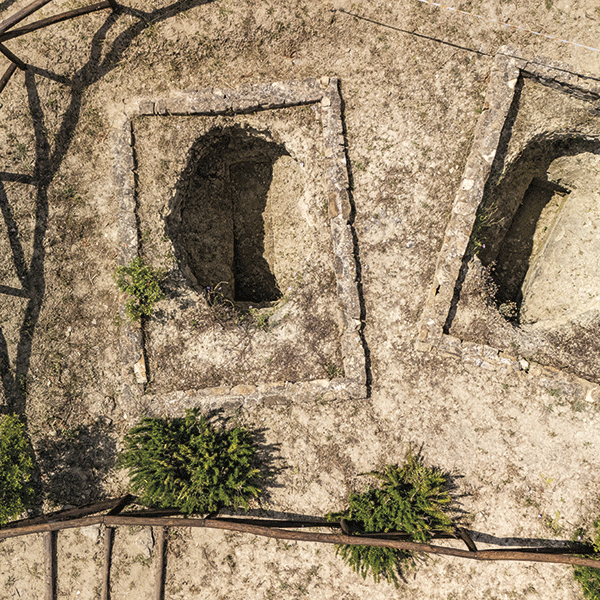
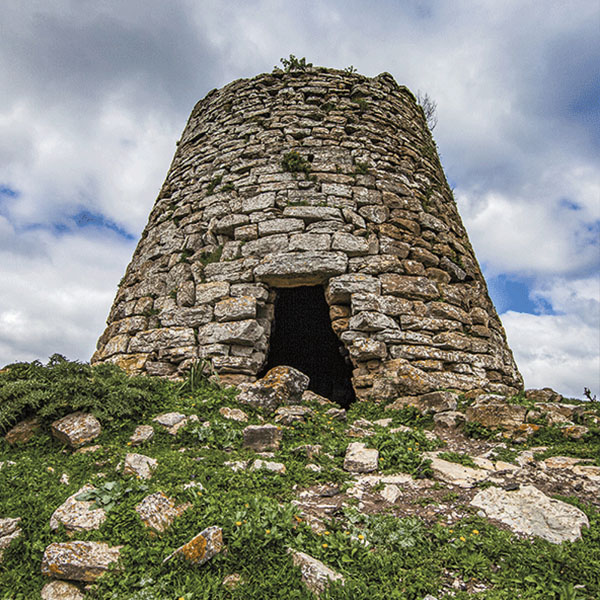
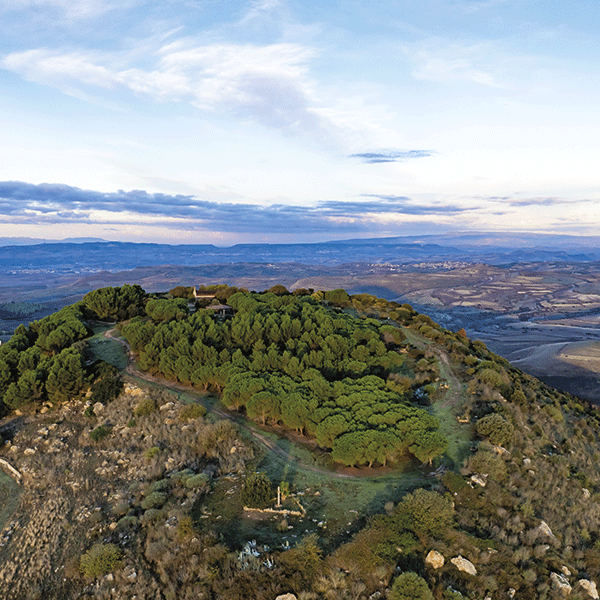
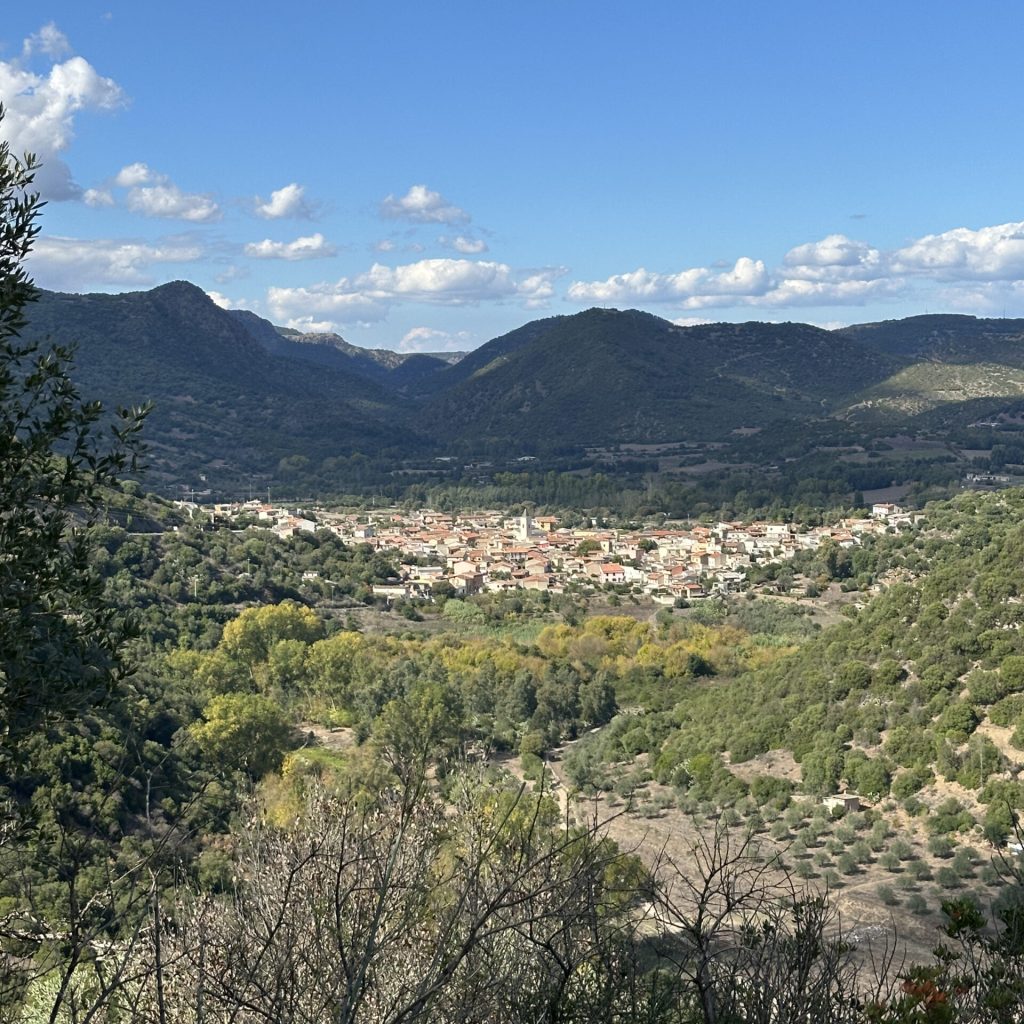
Just outside Senorbì lies the Monte Luna Archaeological Park, an area inhabited since prehistoric times, where traces of successive civilisations coexist: Neolithic villages, Nuragic remains, Punic necropolises, and Roman settlements. The excavations, begun in 1968, brought to light a Neolithic settlement from the late 4th millennium BC, with ceramic, obsidian and bone finds. The period of maximum development occurred in the Punic era, from the 5th century BC, with the birth of a fortified settlement on the hill of Santu Teru connected to the vast necropolis of Monte Luna, with over 120 tombs of various types dug into the rock. Some hypogea preserve wall paintings in red ochre. The funerary objects discovered are true treasures: Attic ceramics, amulets, scarabs, gold and silver jewellery, and objects decorated with Greek and Egyptian motifs testify to the intense exchanges with the Mediterranean. With the arrival of the Romans, the area maintained its funerary function until the late imperial age. The finds from Monte Luna and other sites in the area are exhibited at the Senorbì Archaeological Museum, housed in a splendid period manor house.
Park and Church of S. Mariedda
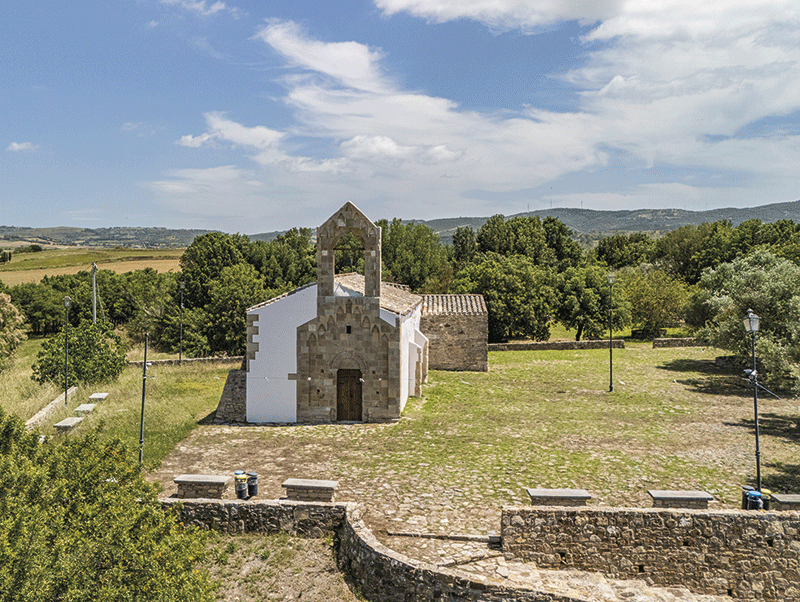
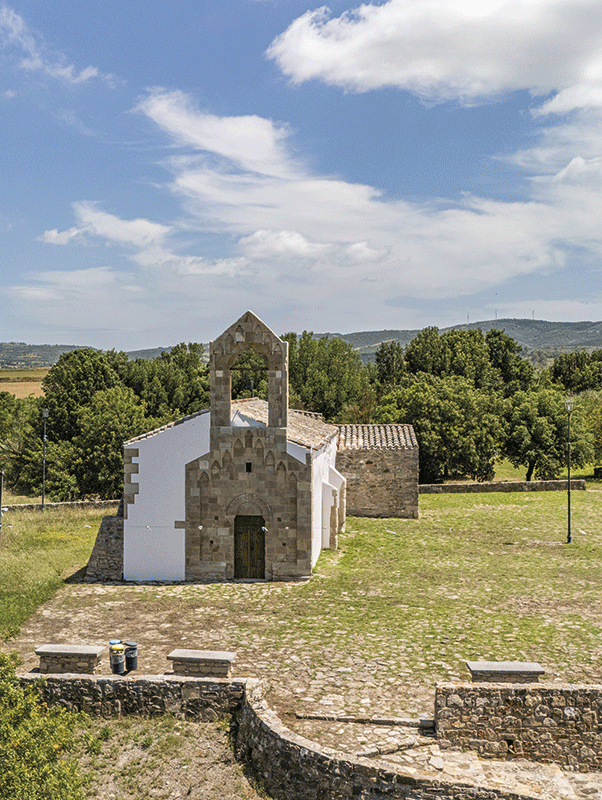
The church of Santa Mariedda stands on a hill not far from the town centre. Today silent and isolated, it was once the heart of the Villa di Segolaj, an ancient medieval village abandoned in the 17th century.
Dating back to the 13th century, the church has a single nave divided by elegant arches, thick stone walls, and a façade with a simple portal, nature-inspired decorations, and a row of small arches. Over the centuries, a chapel and a Gothic-style bell tower were added. Above the altar, a decoration depicts Saint Nicholas of Bari, to whom the church was initially dedicated. The current name is due to the collapse, at the beginning of the nineteenth century, of the church of Santa Maria della Neve, much loved by the people of Senorbia. The cult was moved here, along with the celebration that every August 5th brings the community together in a moment of faith, tradition, and sharing.

Villa Aresu in Sisini
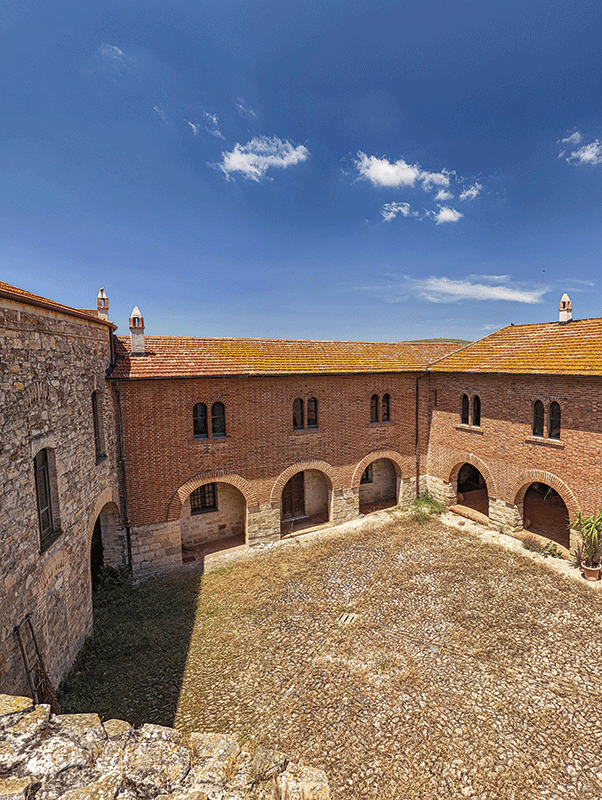
In the heart of the hamlet of Sìsini lies Villa Aresu, a splendid 19th-century manor house, an example of noble rural architecture in Sardinia. Once the residence of the influential Aresu family, the villa was the beating heart of an important agricultural company. Built of natural stone and raw earth bricks, it retains its original decorated cement tile floors and extends over 1,400 m2 around a large courtyard. The rooms reflect the daily life of the time: on the ground floor are living rooms, kitchens, and fireplaces; on the upper floor, large halls and bright rooms. Six stables, a barn and two secondary courtyards complete the complex: one for breeding, with the blacksmith’s forge, the other for horse training. Restored by the Municipality of Senorbì in the 1990s and inaugurated as a cultural centre in 2000, today Villa Aresu is a multipurpose cultural centre that hosts events, exhibitions, and demonstrations. Every year, during the feast of Santa Vitalia, people gather at the villa at the end of the “Is Cuaddus de Santa Vida” event, which brings together riders from all over southern Sardinia and celebrates an equestrian passion with ancient roots.