SGT
Nuraghe Piscu
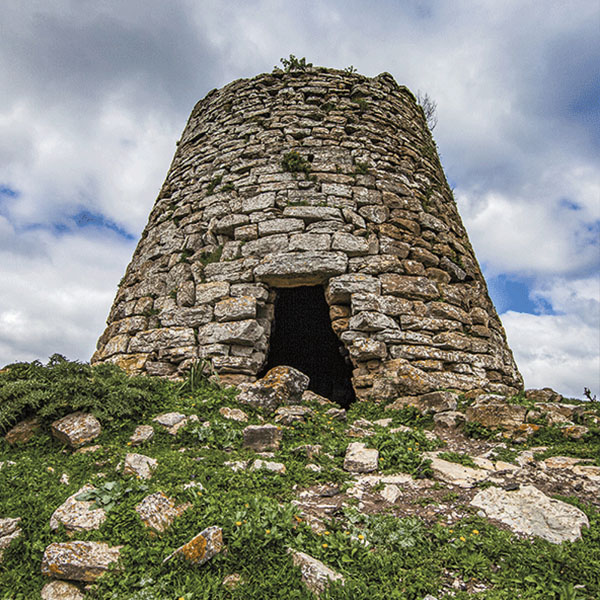
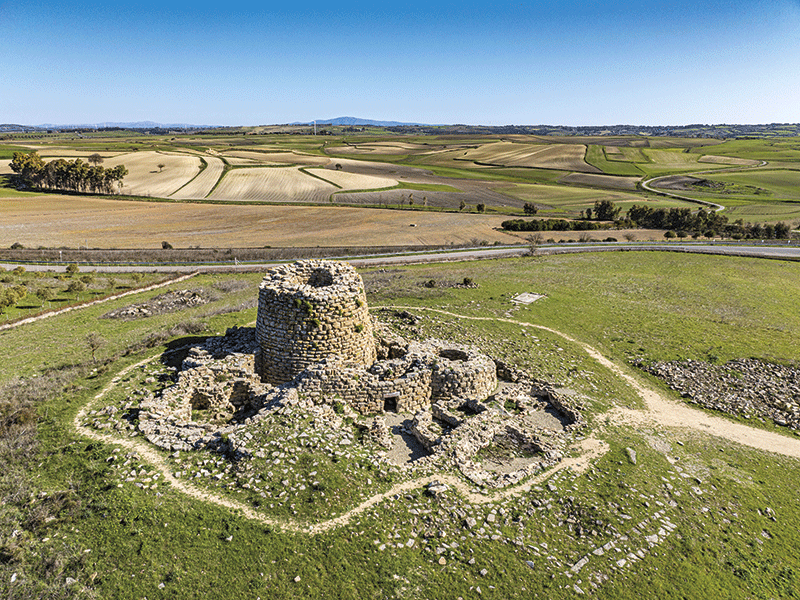
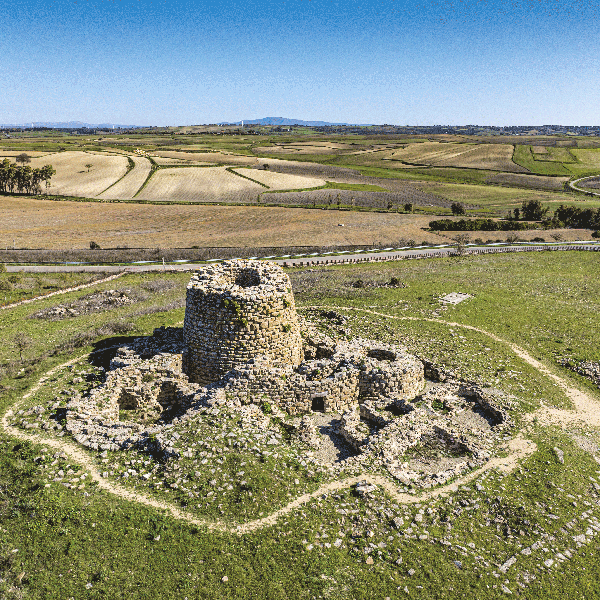
Along the road connecting Suelli to Senorbì and Mandas, the majestic Piscu nuraghe (‘bishop’ in the Sardinian language) stands, one of the most impressive testimonies of the Nuragic civilisation in Trexenta. Over 9 metres high, it is the most monumental and best preserved of the nuraghi surveyed in the area, an extraordinary example of prehistoric megalithic architecture.
Built between the 15th and 11th centuries BC, the complex consists of a central tower and a quadrilobate bastion enclosing a courtyard. Inside, corridors, niches, secondary rooms and arrow slits develop, forming an intricate defensive system that testifies to the ingenuity of its builders.
An architraved passage leads to the main tower, which leads to the tholos chamber, a circular room covered with the so-called “projection” technique, with stones arranged in increasingly smaller circles until the vault is closed. The remains of a village with circular and rectangular huts are visible around the nuraghe. The name “Piscu” derives from episcopus, “bishop” in Latin, a title linked to the historic diocese of Barbaria of which Suelli was the seat.
Megalithic tomb of Pranu Siàra
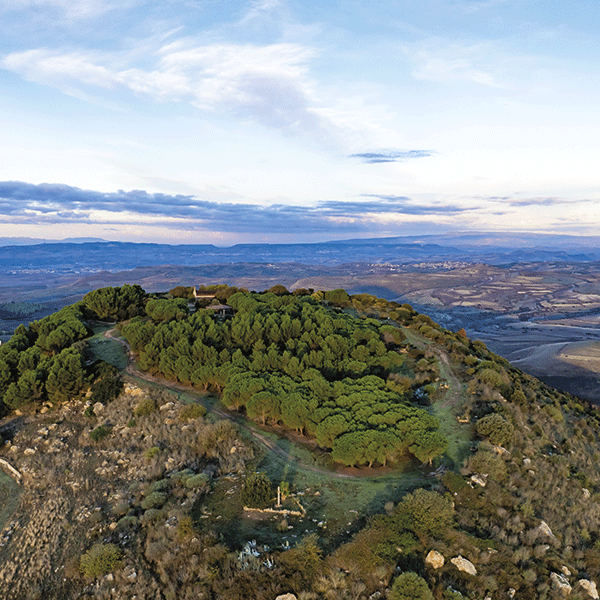
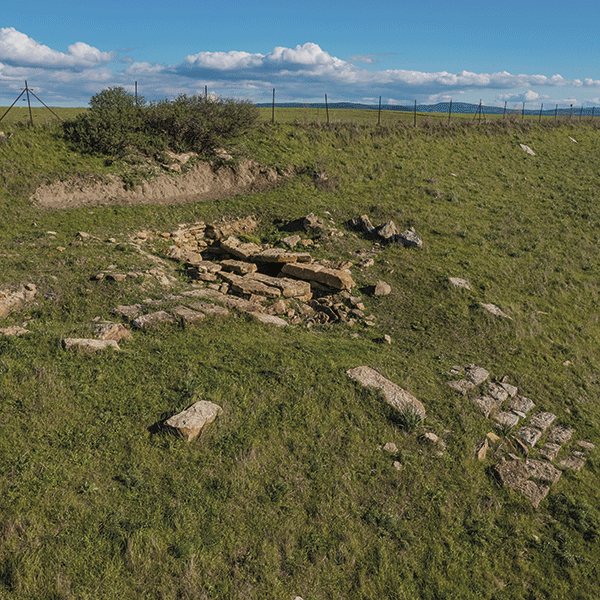
In the countryside of Suelli, on the hill that hosts the Chapel of the Madonna della Croce and from which you can enjoy a beautiful view, lies the megalithic tomb of Pranu Siara, also known as Costera Baugodi or Zinnigas. It is an archaeological unicum, a funerary monument of rare complexity, which captivates with its architectural features that are difficult to find elsewhere. Built in the second half of the 3rd millennium BC, Pranu Siara stands out for its mixed structure, both hypogeal and megalithic: it is dug into the rock and constructed with large blocks and slabs, evidence of the construction expertise of Copper Age communities. The central corridor, approximately 6 metres long, leads to the 12 burial cells arranged on two levels. The excavations have yielded human bone remains and precious objects, a sign of the site’s importance.
Saint George Bishop
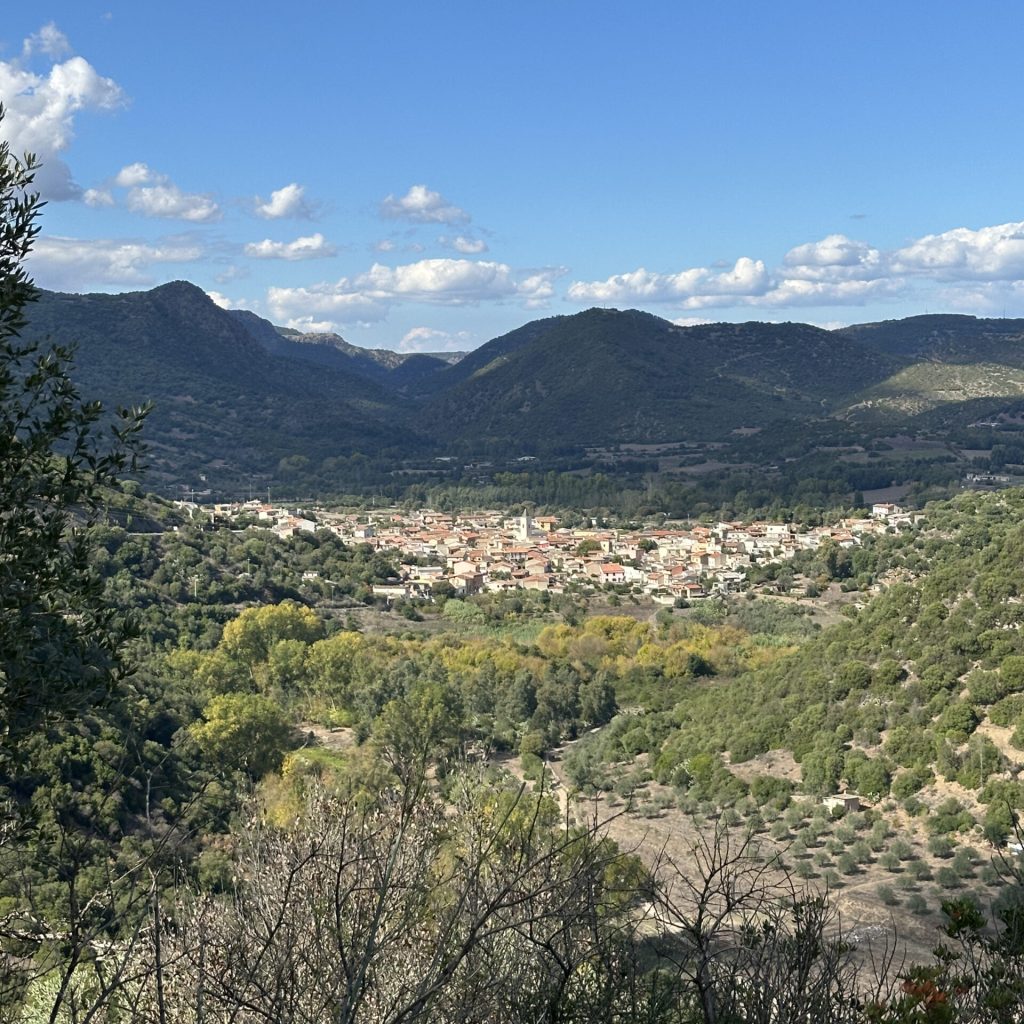
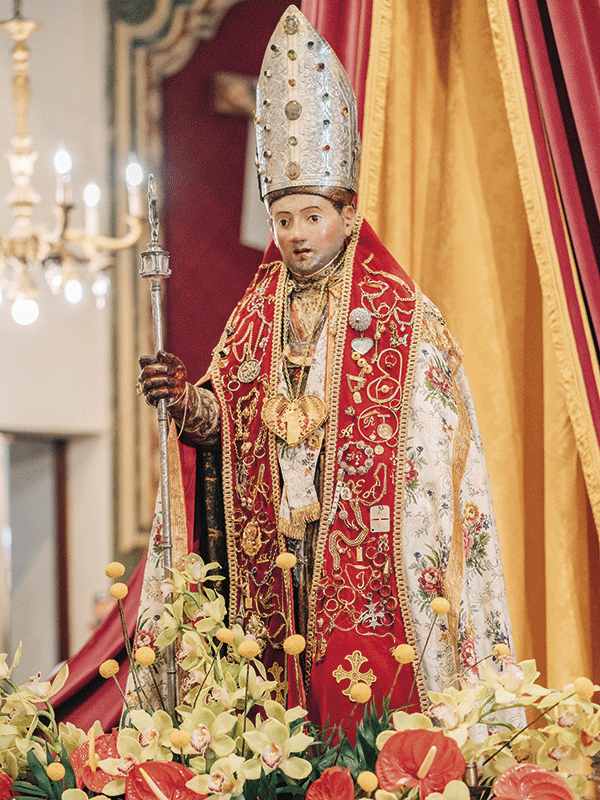
Suelli is a small town rich in history and spirituality, linked to the charismatic figure of Saint George the Bishop, who lived around the year 1000 and was the first bishop of the historic diocese of Suelli.
The sanctuary dedicated to him is located next to the church of Saint Peter the Apostle, which was a cathedral from the 11th century to 1418, when the diocese of Barbaria was merged with that of Cagliari. The building, although modified over time, retains medieval and Gothic traces. From the bell tower you enter the small, sober and intimate sanctuary, where you can breathe an intense spirituality. During the restoration, a stone slab covering a tomb with bones was discovered: according to tradition, it was the tomb of the saint.
The feast of Saint George, celebrated for over eight centuries, is the most eagerly awaited moment of the year in Suelli. Many faithful gather for the celebrations, which last five days around Pentecost. On Thursday afternoon, with “sa Circa de is Carrus,” the agricultural vehicles – once upon a time, carts – are identified, which the following day set off to cut wood towards the Mudregu in tres bias area, where dinner is shared in a festive atmosphere. On Saturday, the carrus return in procession to Suelli loaded with wood for the bonfire, which is lit on Sunday evening, after the solemn procession. The culmination of the celebration is the Monday after Pentecost, when the statue of Saint George the Bishop leaves his sanctuary and parades in a solemn procession accompanied by folk groups and knights.
Saint George is also the protagonist of a spiritual itinerary that bears his name. The Way of Saint George the Bishop unites faith, nature, and tradition among the natural sites, villages, and churches of the ancient diocese of Barbaria, now part of the Sarcidano, Barbagia, and Ogliastra regions.