SGT
The simulacrum of Saint Andrew
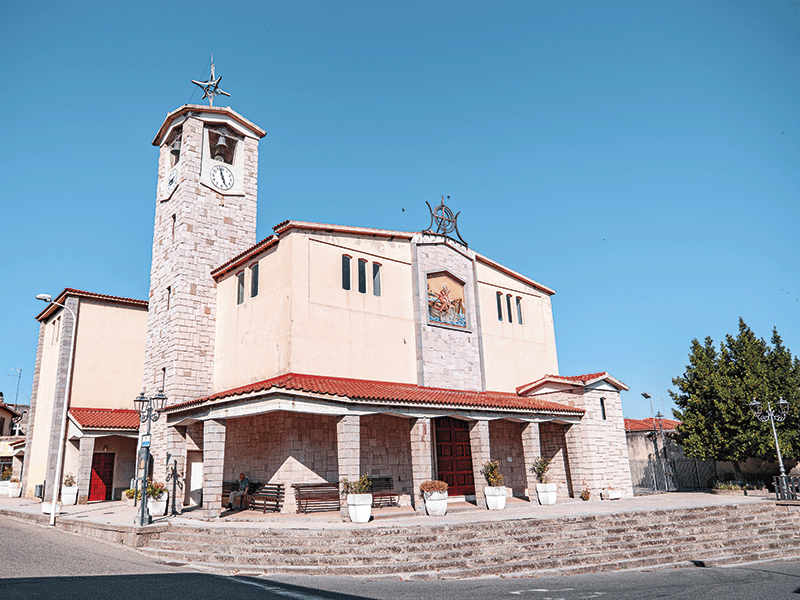
The church dedicated to Saint Andrew the Apostle, in the heart of the town, represents an important spiritual and cultural point of reference for the community of Sant’Andrea Frius. Built in the 1950s following the demolition of the pre-existing building, its façade is today embellished with a polychrome mosaic depicting the saint in the act of fishing, a visual reminder of his figure and his history.
Saint Andrew the Apostle is celebrated with particular fervour at two times of the year: at the end of May, with the manna festival, and at the end of November. During the May festival, the town comes alive for three days with religious celebrations, events, and moments of sharing. The heart of the event is the solemn mass in the parish church and the traditional procession through the streets of the town centre, attended by faithful from all over Trexenta and Gerrei, folk groups, and bearers in traditional dress.
A moment deeply felt by the population was the return of the ancient simulacrum of Sant’Andrea in May 2021 after a careful restoration. The statue, the oldest in the country, is a 17th-century wooden work, a symbol of devotion, identity, and collective memory. After three months of restoration work, supervised by the Superintendency of Cagliari, the statue has regained its original beauty: the colours, decorations, and details that had faded over time have been brought to light, restoring to the community a precious element of its cultural and religious heritage.

The Almond Festival
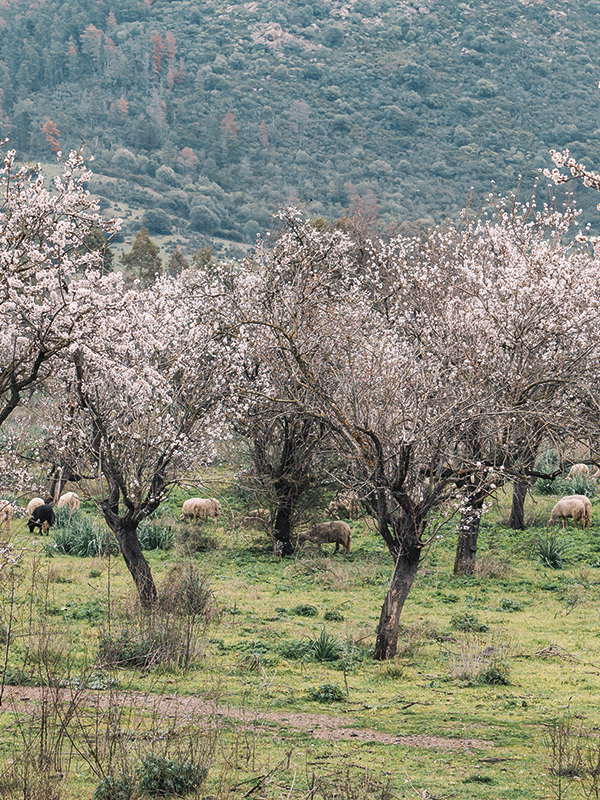
Every year, Sant’Andrea Frius celebrates one of its iconic fruits with the Almond Festival, a festival that combines flavours, traditions, and creativity in a welcoming and joyful atmosphere. It is a highly anticipated event, capable of involving the entire community and attracting numerous visitors.
During the event, you can savour typical specialties, such as gattou, a crunchy and fragrant traditional dessert made with caramelised sugar and toasted almonds, alongside traditional cakes and desserts revisited with a modern twist, the fruit of the creativity of pastry chefs and enthusiasts. The program includes guided tours of the almond groves, workshops—also for the younger ones—where you can try your hand at making sweets, interviews with the village elders to discover ancient family recipes, and then craft exhibitions, musical performances, and moments of conviviality that enliven the town. Among the most eagerly awaited events is the Sa Trutta de Tzia Efisiedda e de su Gattou Artistico competition, which rewards the most beautiful and delicious almond-based desserts. True works of art are exhibited throughout the day and evaluated by a jury that takes into account their external appearance, taste, and originality. The Almond Festival is also an opportunity to reflect on the future of local agriculture: work is underway to join the Community for the Protection of Almond Biodiversity, with the aim of helping to safeguard native varieties and encouraging trade between local businesses.