SGT

Gesico

The Nuragic complex of Saint Sebastian

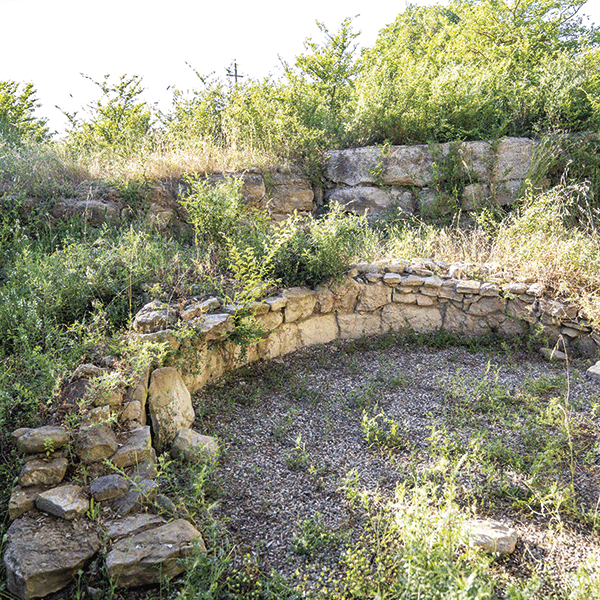
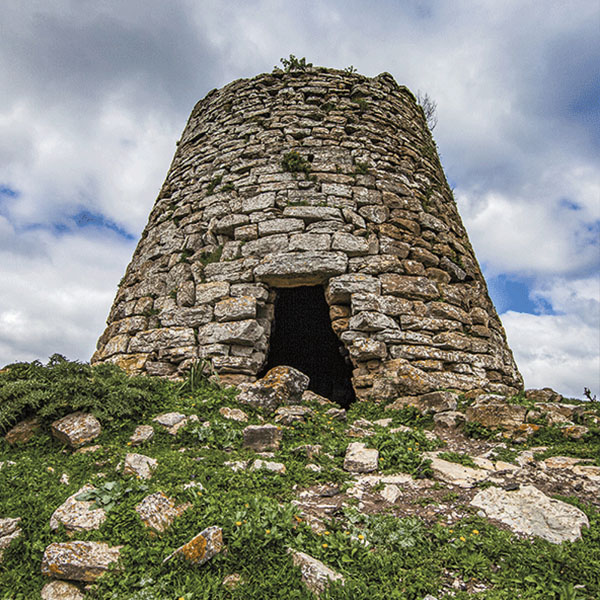
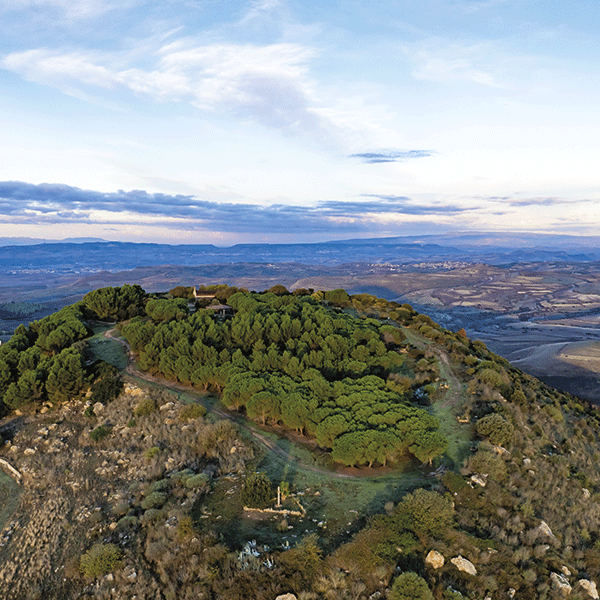
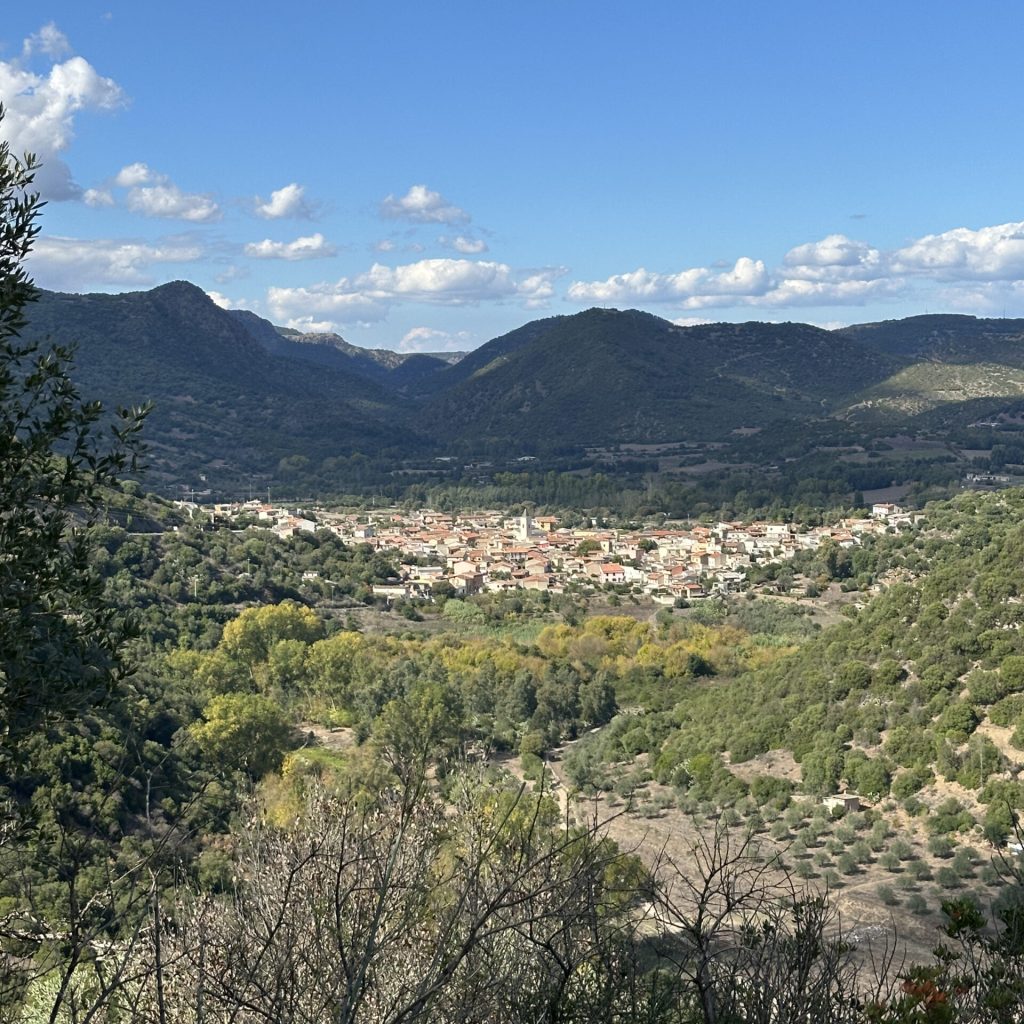
Perched on a hilltop in the town centre, the Nuragic complex of Saint Sebastian tells the story of millennia of history and cultural stratifications. The original nucleus, consisting of a polylobed bastion and an imposing wall with seven towers, also included a Nuragic village. The structures are mostly built in regular rows, and in some parts show a polygonal construction with the use of large boulders. Located in a strategic position, the site allowed for extensive control of the territory and communication routes. Its importance did not end with the Nuragic civilisation: in the Punic and Roman eras new environments arose there, a sign of a long continuity of use. In the second half of the sixteenth century, the country church dedicated to Saint Sebastian was built on the nuraghe keep, which remained in good condition until the twentieth century and was progressively dismantled. Today the site, although not open to visitors, is still visible from the outside. To reach it, just take a charming little road on the right of the churchyard of the church of Santa Giusta.

via Chiesa direction - Gesico

8000 Km attraverso l'Italia

via Chiesa 3 – Gesico • SP 5.32

The churches of Santa Giusta and Santa Maria d'Itria

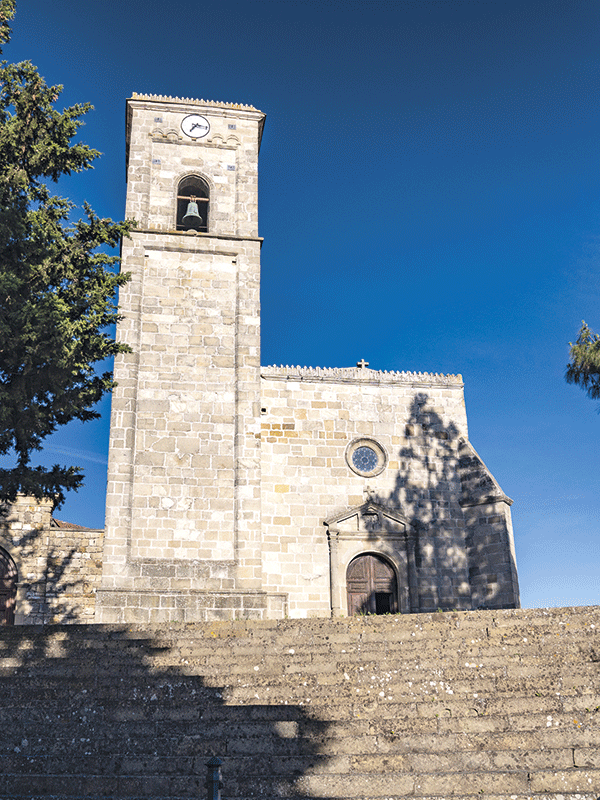
Saint Giusta, patron saint of Gesico, is celebrated in the parish church dedicated to her, an example of Gothic-Aragonese architecture. The building, constructed between the late 15th and early 17th centuries, houses precious works of art: a wooden crucifix attributed to the Nicodemian school, an altarpiece depicting the souls in purgatory painted by Giulio Adato, a 3rd-century Roman sarcophagus, and a 17th-century reliquary containing the skull of Saint Amatore. The cult of Santa Giusta is linked to a miracle: it is said that in the 17th century she saved the town from a devastating locust invasion, a miraculous event that the people of Gesichera still commemorate today with a heartfelt votive feast. The church of Santa Maria d’Itria, built in 1305 in Pisan Romanesque style, is different in origin, style and function. Its sober façade features three different types of stone. Initially dedicated to Santa Maria, it took on its current title only in the late sixteenth century, following the rediscovery of cults of Byzantine origin.

The Feast of Sant'Amatore and the Snail Festival

Gesico comes alive every third Sunday of October for the Feast of Sant’Amatore and the Snail Festival. The religious festival is among the oldest in Sardinia: for over 400 years, devotion has united the local community and thousands of pilgrims from all over the island. The celebration includes a solemn procession with the statue of the saint, crowded masses, moments of prayer, cultural events and shows.

At the heart of the festival is the sanctuary dedicated to the African martyr Amatore, who according to tradition was killed in 510 AD in Sardinia. Among the most evocative elements is the rite linked to “Sa Moba”, a stone cavity in which the faithful rested their heads to listen to a sound considered miraculous, capable of warding off migraines, insomnia and epilepsy. Today the stone with the cavity is identified as a cinerary urn from the Roman imperial age.

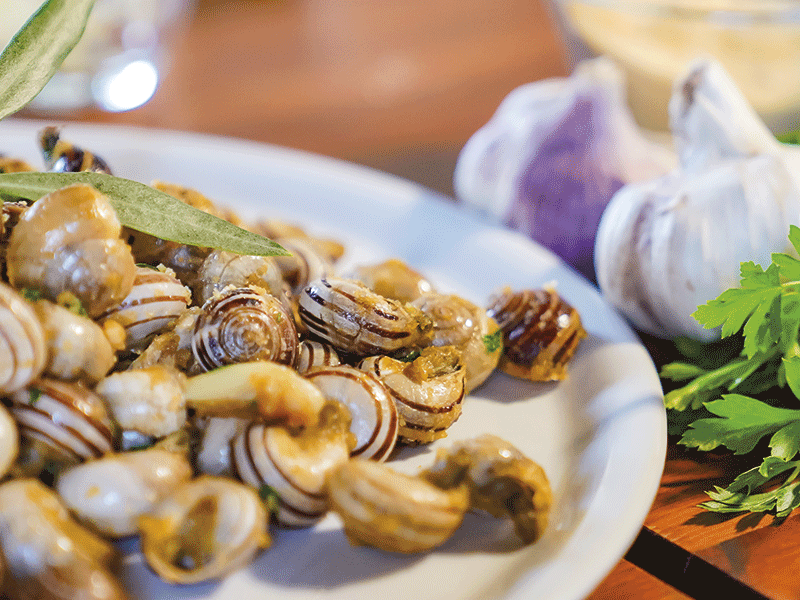
Coinciding with the feast of Sant’Amatore, the Snail Festival takes place, one of the island’s best-known food and wine events, attracting thousands of visitors every year.

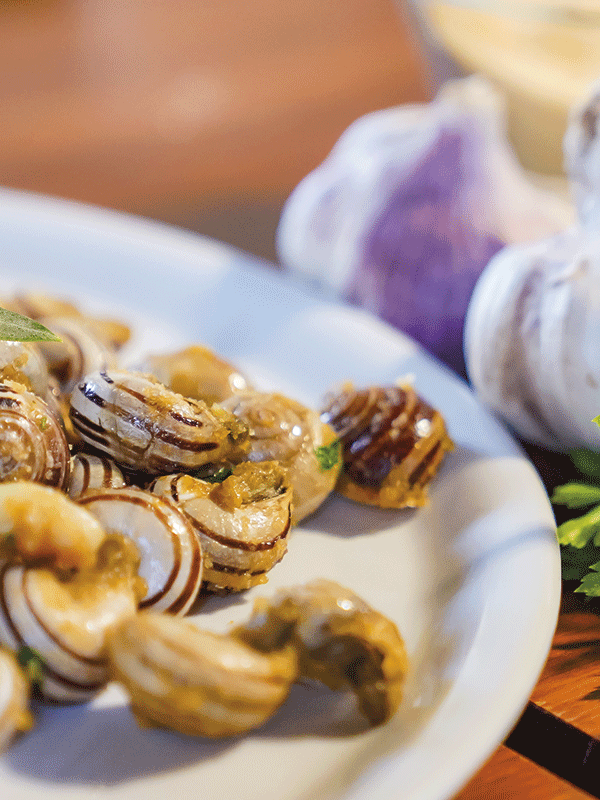
The undisputed protagonists are the Helix snails, appreciated since the seventeenth century by Sardinian nobles. Among the most interesting events are “La Lumaca d’Oro,” (The Golden Snail) the culinary challenge between restaurants and hotel management schools that opens the event, and the “Snail Race,” much loved by children.


SGT

Sole Grano Terra

Sarrabus Gerrei Trexenta
e Campidano di Cagliari

The Trails

Trexenta to Explore

From golden landscapes to archaeological gems in the “granary of Rome.”

Sarrabus and Gerrei by Bike

Responsible cycle tourism with a minimalist approach.

Sentiero Italia in GAL SGT area

The local stages of the world’s longest trekking route.

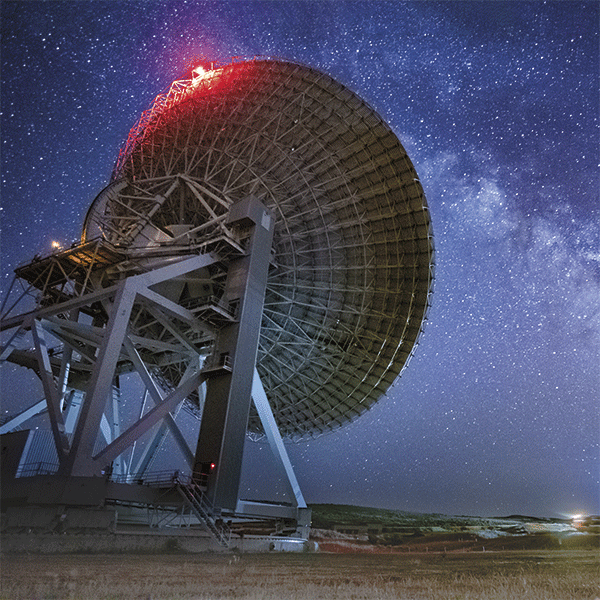
Astronomical Gerrei

A walking adventure with your eyes on the stars.

Rete PAT

Landscapes of Water and Earth

Trails that unite nature, history and community in Gerrei

Primitive Trails of Sarrabus

Mountainous area north of the former SS 125 Orientale Sarda road.