SGT
Sa Tundaredda. The Round Almond of Trexenta
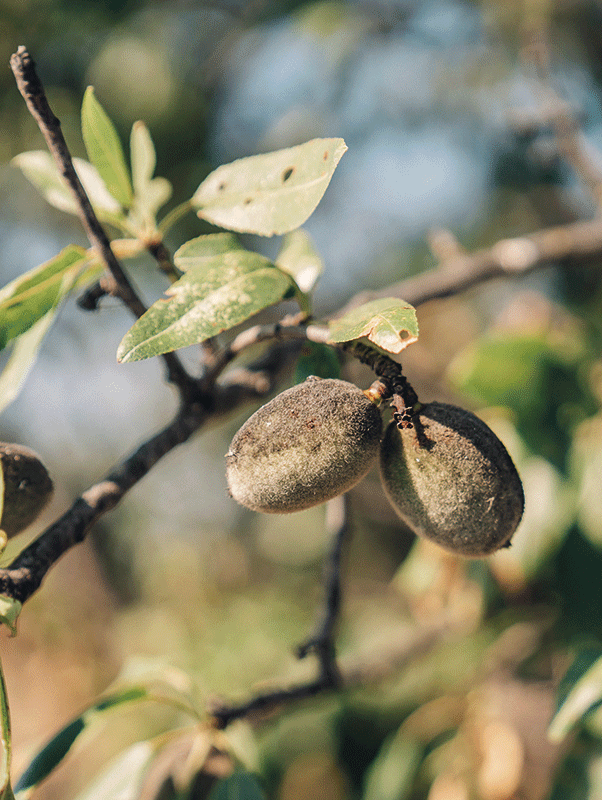
Small, fragrant, with an intense flavour: the Tonda di Trexenta almond, locally called Tundaredda is an authentic treasure of the Selegas area. An ancient variety with a thin, tender skin, it was once present in every home, especially during religious holidays such as Christmas and Easter. Older farmers remember the way it was spread through the exchange of grafts between producers, becoming an integral part of rural traditions.
Toasted or used in desserts, Tundaredda is the basis of many Sardinian specialties, from gueffus to the traditional wedding cake. Among the most representative recipes is the gateau, a dessert made with caramelised almonds cut into diamonds, served on lemon leaves and decorated with coloured sugar pearls. In 2024, the first space dedicated to inter-company trade of Sardinian almonds was organised, with the participation of producers, pastry chefs, and companies in the sector. The goal is to promote Tundaredda and ensure its diffusion. Its value is now also recognized at an institutional level: it has been included in the Sardinia Regional Repertoire of Agrobiodiversity, confirming its historical, cultural, and environmental importance.
The Mother Goddess of Turriga
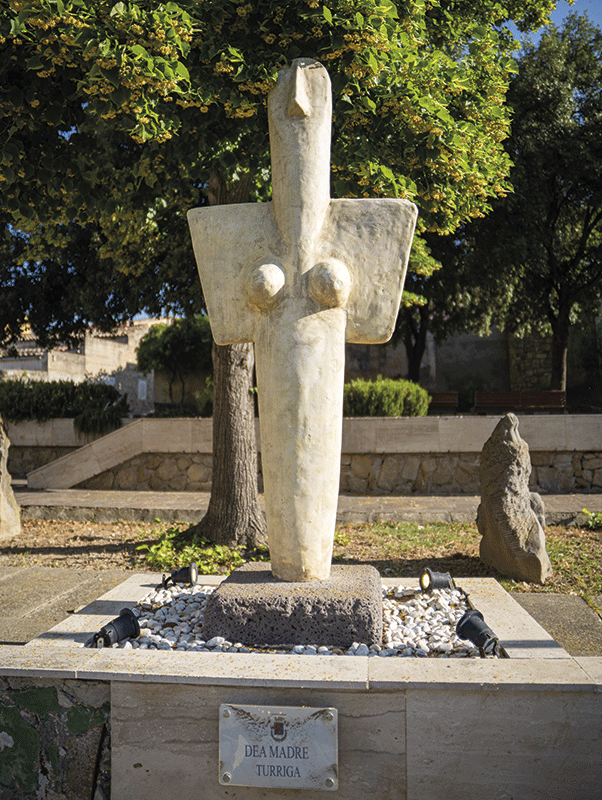
In 1935, during some agricultural work in Turriga, on the border between Selegas, Ortacesus and Senorbì, a farmer accidentally found a small white marble statue. It was the village doctor, Massimo Coraddu, who understood its importance and entrusted it to the National Archaeological Museum of Cagliari: it is there that the Goddess of Turriga, one of the most interesting testimonies of the Sardinian Neolithic, is exhibited today.
Standing 42 cm tall, the statuette represents a stylised female figure in the cruciform style typical of the Ozieri culture (4000-3300 BC): elongated neck, prominent nose, conical breasts, accentuated buttocks. It is an abstract, highly evocative representation, a symbol of fertility and regeneration. Similar finds were often placed in burials, but it is not excluded that they also had a role in domestic or collective rites. A faithful reproduction of it is exhibited in the “Domu Nosta” Archaeological Museum in Senorbì. The Goddess of Turriga – also called Mater Mediterranea – has become a symbol of Trexenta and an icon of Sardinia’s prehistoric heritage.
Museum of Sacred Art
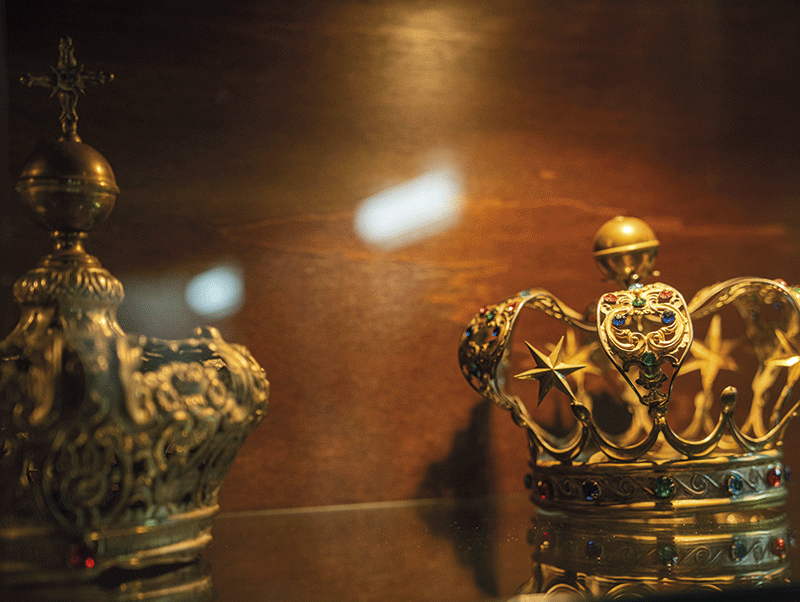
Inside the village of Selegas is the parish church, originally dedicated to Saint Anne and later also to Saint Joachim. Built in Pisan Gothic style between the 12th and 13th centuries, it is striking for its simple yet harmonious structure. Inside, with a single nave and seven side chapels, it houses an imposing marble altar. Not far from the church is the Parish Museum of Sacred Art, inaugurated in 2001. Created to preserve, enhance, and publicize the historical and artistic heritage of the parish and other religious buildings in the area, the museum houses liturgical objects, statues, books, and sacred vestments from the 16th to the 19th century. Among the most significant pieces are the statue of Saint Rocco, a chalice with paten, a rayed monstrance, a processional cross, and various furnishings used in religious celebrations. Among the treasures kept in the museum, the oldest bell in the church stands out: made in 1608, it still clearly retains the engraving of the town’s name in its ancient form, Seligas.