SGT
Lake Mulargia
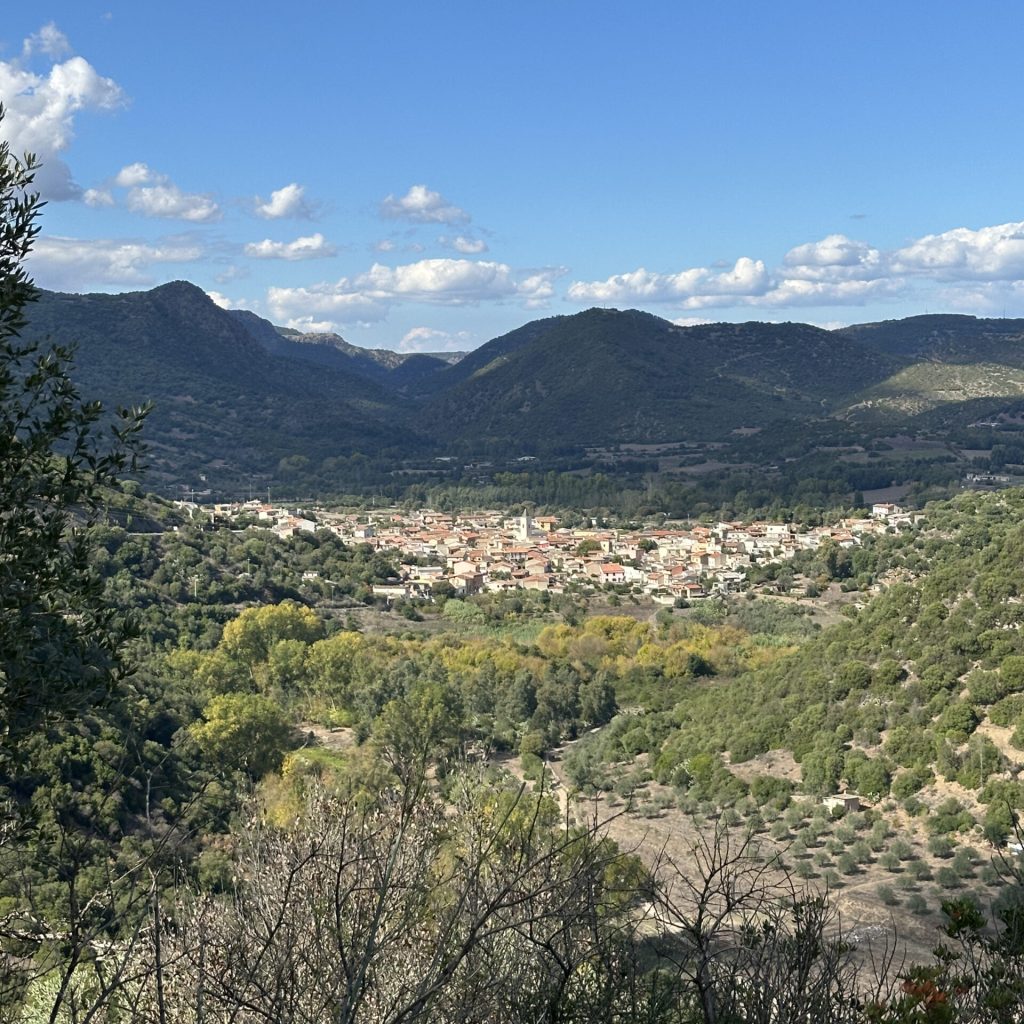
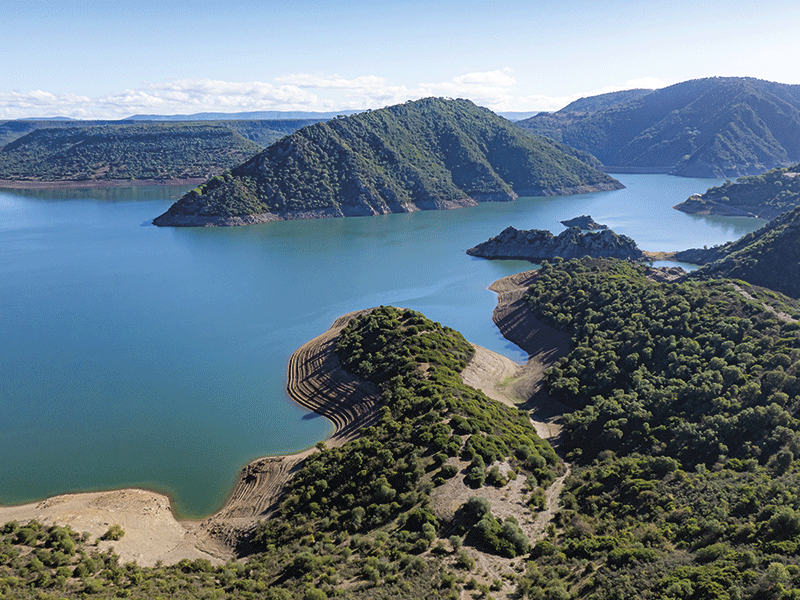
The enchanting landscape of Lake Mulargia opens up between the hills of Trexenta, Gerrei, and Sarcidano. Created between 1951 and 1958 with the construction of a large dam on the Mulargia river, it extends across the territories of Orroli, Goni, Nurri and Siurgus Donigala. Nestled among cork oak forests and rich wildlife, the lake exudes a sense of peace: its rugged coastline, dotted with islets and coves, creates a captivating panorama where the greenery blends with the blue water. Here you can enjoy sport fishing, canoeing, kayaking, or boating, with the possibility of spotting hawks, herons, and even wild boars drinking from the shore. The lake takes its name from the ancient village of Molaria, now submerged. The toponym derives from moba (millstone, in Sardinian), linked to the milling activity. Already present in ancient Greek maps and in Mercator’s maps of the 16th century, the church was still distinguishable until the 19th century. Today, thanks to GIS technology, the exact location of the town has been identified.
Su Nuraxi
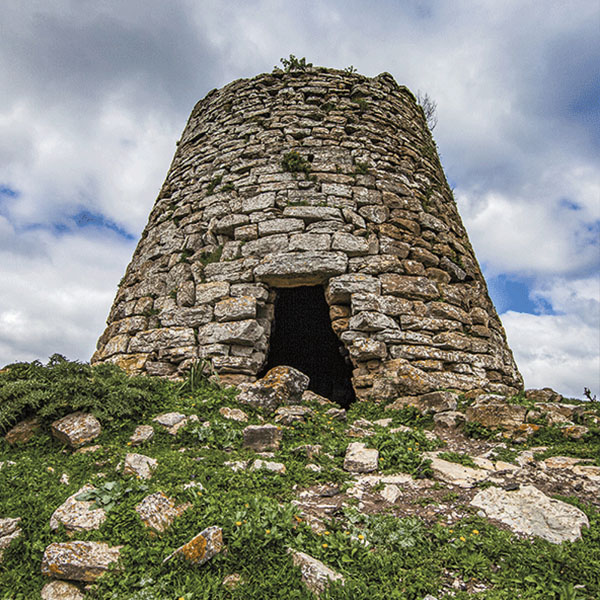
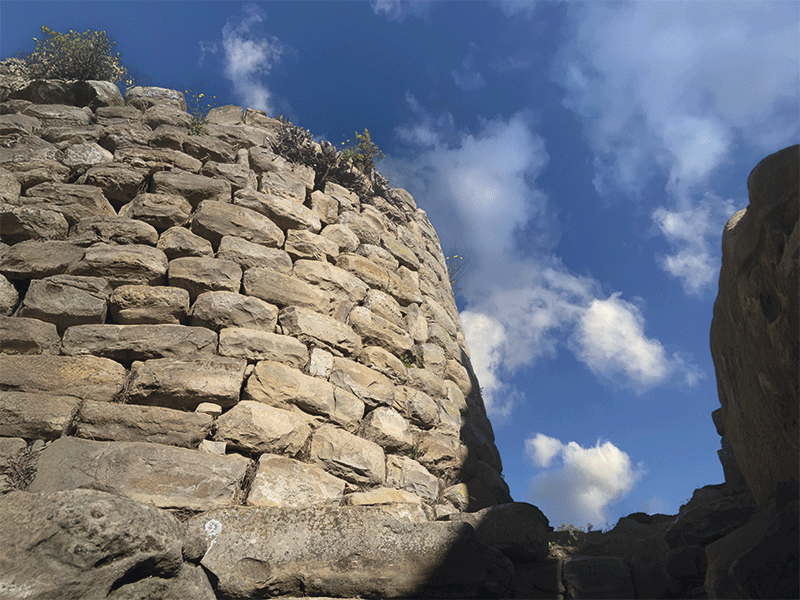
In the town centre of Siurgus Donigala, among the houses of the village, you come across Su Nuraxi. It is an impressive archaeological site, dating back to the 14th century BC, of which the central tower (keep), built with large limestone blocks, is visible today. Inside, two superimposed rooms were discovered and, in 1983, the courtyard with a well also emerged. The site is remarkable for its continuity of use: after the Nuragic and Roman eras, with walls still visible, it was reused as a burial place in the Byzantine era. Inside the tower, a collective tomb was found with the remains of at least fifteen individuals, buried between the 7th and 9th centuries AD, along with bronze buckles from Greece, Africa, and Spain, attributable to the equipment of Byzantine soldiers. It is precisely to them that we owe the introduction of the cult of San Teodoro, to whom the nearby church, also built with materials from the nuraghe, is dedicated. The Nuragic and then Roman village that surrounded Su Nuraxi is now hidden beneath modern houses and the main road, but excavations and aerial surveys reveal its extent. The 2020 investigations brought to light new finds, confirming the long-standing continuity of habitation at this site.
Church of Santa Maria
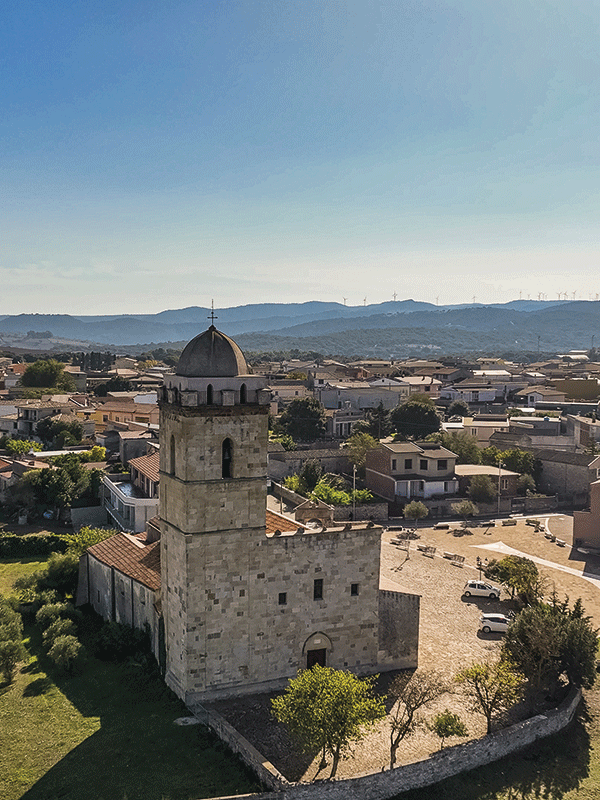
The church of Santa Maria encompasses centuries of history and spirituality. Originally dedicated to Saint Blaise, then to Saint Mary and finally to the Virgin of Montserrat, it is one of the symbols of the country’s religious and cultural identity. The current appearance dates back to the 16th century, in Gothic-Aragonese style, but during the restoration of the 1990s, older traces emerged, perhaps belonging to the first sacred building dedicated to San Biagio, built strategically on a hill. Starting from the 14th century, in place of the church of San Biagio, a new structure dedicated to the Virgin arose, initially called Our Lady of September. Between the 17th and 18th centuries, the cult was enriched with the birth of devotion to Our Lady of Montserrat, the “morenita” venerated in Catalonia, and the procession with votive candles was introduced, which still today makes the Feast of Santa Maria di Donigala one of the most evocative religious events in Sardinia. The large candles – some dating back to the 16th century – are carried in procession on 8th September by generations of the same family and carefully guarded throughout the year. According to this tradition, the community of Donigala has the honour of opening the procession of Sant’Efisio immediately after the Saint, carrying its candles, while Siurgus parades with his bread cross.