SGT

Guasila

Sanctuary of the Blessed Virgin of the Assumption

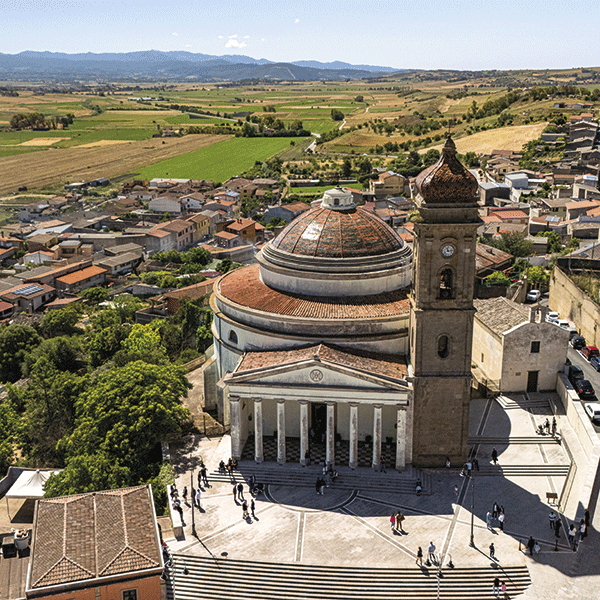
Visible for miles, perched on a hill in Trexenta, the sanctuary of the Blessed Virgin of the Assumption of Guasila is one of the most representative examples of neoclassical architecture in Sardinia. Designed in 1839 by Gaetano Cima and completed in 1852, the building was inspired by the Pantheon in Rome and the architectural principles of Palladio. The octagonal plan is preceded by a façade with six imposing columns and a tympanum decorated with the Marian monogram. Inside, the majestic dome dominates the scene, while eight columns punctuate the walls and lead the gaze towards six chapels. Among these, the Dead Christ and the Sleeping Virgin stand out, which preserves the simulacrum of the Dormitio Virginis, protagonist of the rites of the Assumption and a work by the sculptor Giuseppe Antonio Lonis di Senorbì, active in the 18th century. The Scrinia Sacra Museum of Sacred Art, located a short distance from the Sanctuary of the Blessed Virgin, showcases the local religious heritage and houses liturgical objects, vestments, reliquaries, and votive offerings dating from the 16th to the 20th century, some of which are still used during the most solemn religious celebrations.

via Teologo Melas 2 – Guasila

8000 Km attraverso l'Italia

Riu sa Mela – Guasila

Domus de Janas of Is Concas e Riu Sa Mela

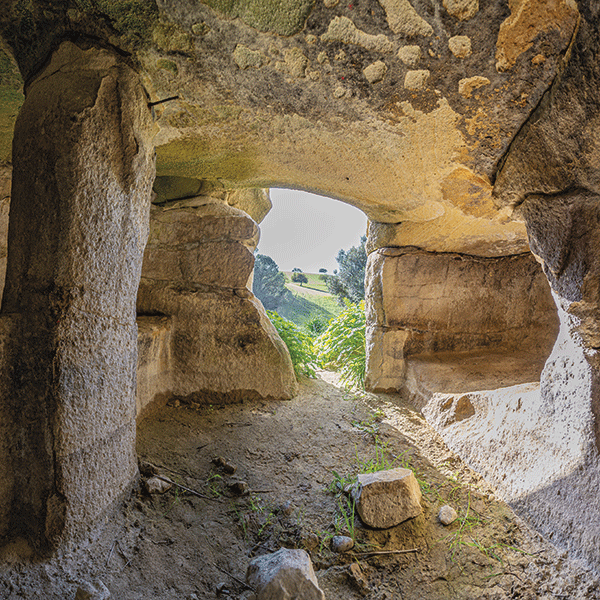
In the silence of the Guasilese countryside, two testimonies of prehistoric funerary architecture dating back to the Neolithic remain: the domus de janas of Is Concas and Riu Sa Mela, which testify to human presence in these places as far back as 5,000 years ago. The Domus de Janas of Is Concas are located in a protected natural area, among oak trees and rocky outcrops. They are two tombs dug into the rock, preceded by access corridors: one is distinguished by its monumental entrance with a sculpted frame, the other – larger – has an opening in the ceiling and walls blackened by smoke, traces of reuse in later periods. The funerary counter and the carefully finished internal surfaces, with pillars that gave the cell the appearance of a dwelling, are still well preserved. In the Riu Sa Mela area there are two other Domus de Janas dug into the sandstone. The first features an antechamber, raised funerary beds and two columns with reliefs of a stylised bull’s head, a recurring symbol of protection in these burials.

The rites of the Assumption

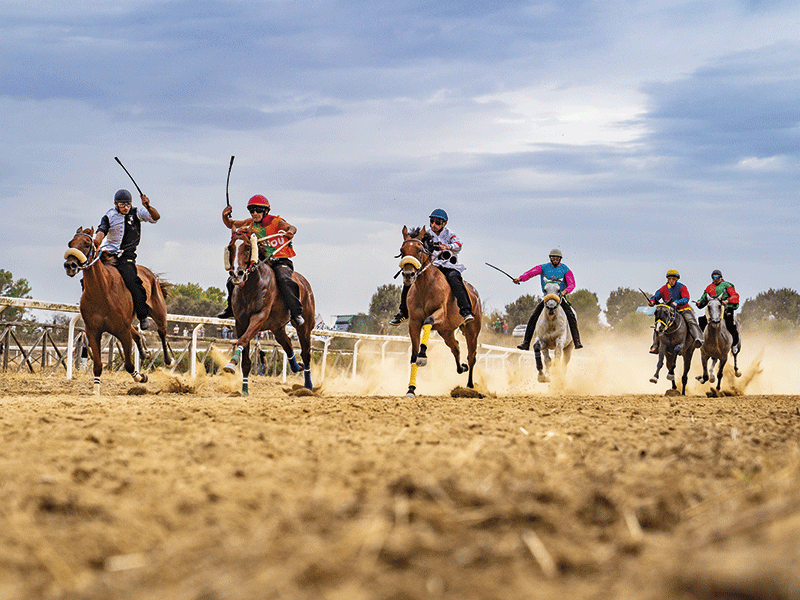
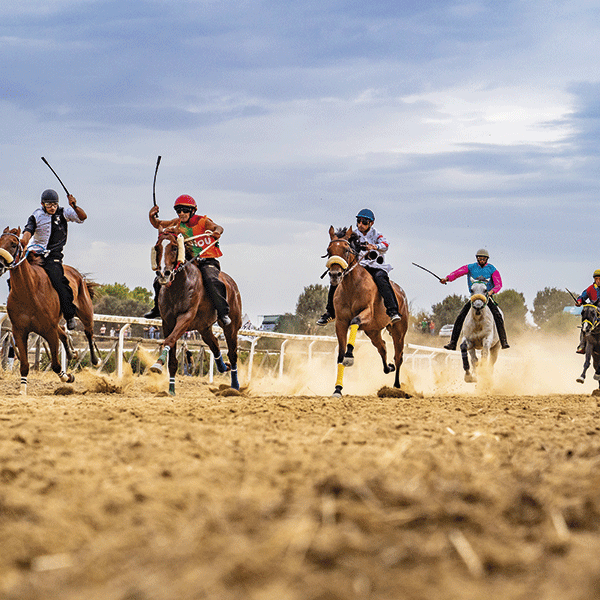
Guasila preserves a rich heritage of religious rites and popular traditions that find their greatest expression in the Feast of the Assumption, celebrated every year in mid-August among faith, pagan rites, and collective participation. On the evening of the 13th, the statue of the Sleeping Virgin is dressed in ceremonial robes in a ritual reserved for women, with prayers and gestures that have been passed down for generations. The next day, the statue is placed on the festively decorated cart and pulled by mighty oxen in a heartfelt and impressive procession through the streets of the town. On 14th August, at first light, Sa Cassa de s’Acchixedda, the traditional hunt for heifers, a symbol of fertility, begins: a group of young bachelors on horseback set out in pursuit of the animal released into the fields, while married knights try to hinder them. The heifer must be captured at corrus limpius, grabbing it by the horns without touching the ears, and then returned to the village to receive the blessing. The celebrations continue on 15th August with the Palio di Santa Maria, a spectacular bareback horse race featuring some of Sardinia’s best stables. The winner, in addition to a cash prize and the trophy, is awarded the Palio: a precious gold-embroidered cloth with the effigy of the Assumption, to be kept until the next edition of the festival.


SGT

Sole Grano Terra

Sarrabus Gerrei Trexenta
e Campidano di Cagliari

The Trails

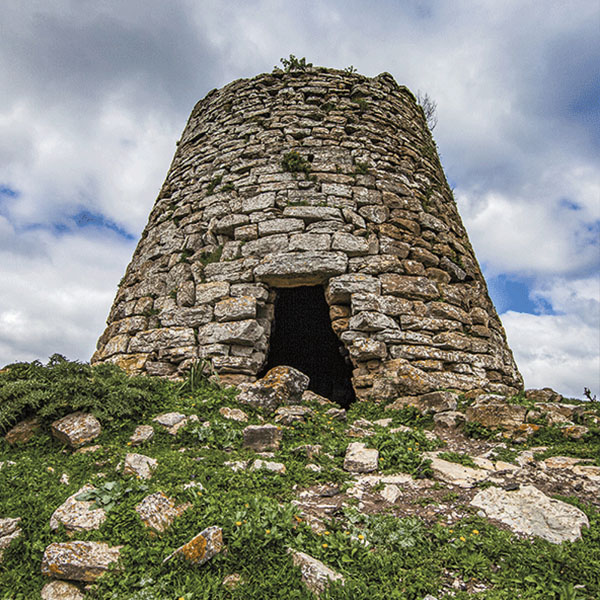
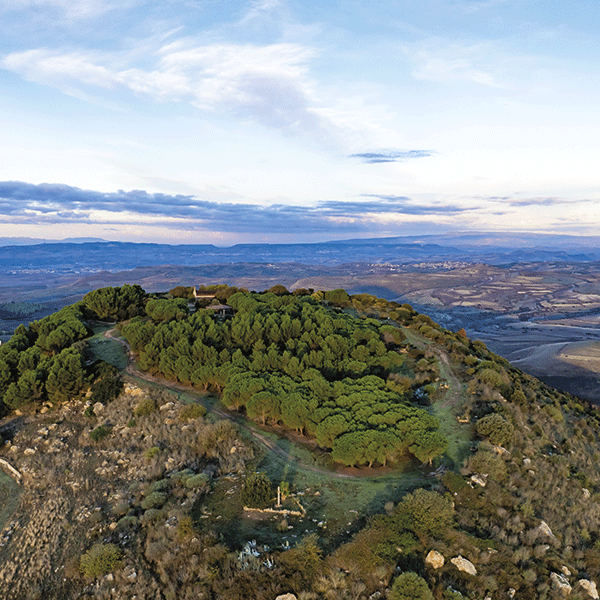
Trexenta to Explore

From golden landscapes to archaeological gems in the “granary of Rome.”

Sarrabus and Gerrei by Bike

Responsible cycle tourism with a minimalist approach.

Sentiero Italia in GAL SGT area

The local stages of the world’s longest trekking route.

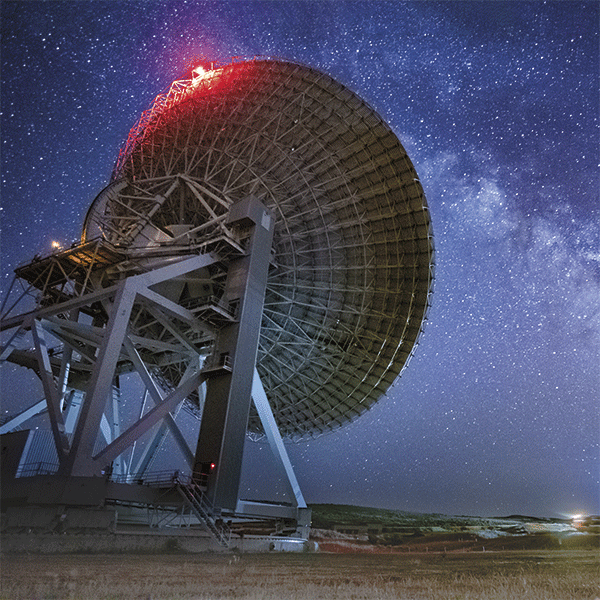
Astronomical Gerrei

A walking adventure with your eyes on the stars.

Rete PAT

Landscapes of Water and Earth

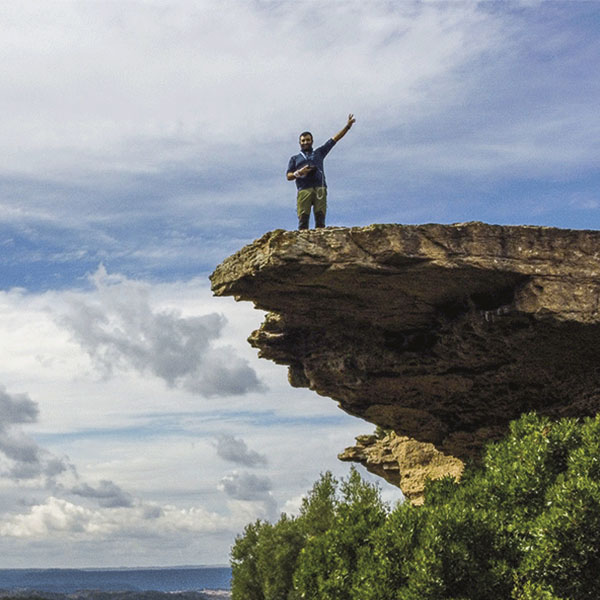
Trails that unite nature, history and community in Gerrei

Primitive Trails of Sarrabus

Mountainous area north of the former SS 125 Orientale Sarda road.